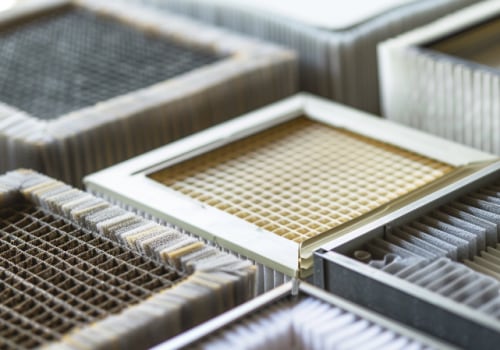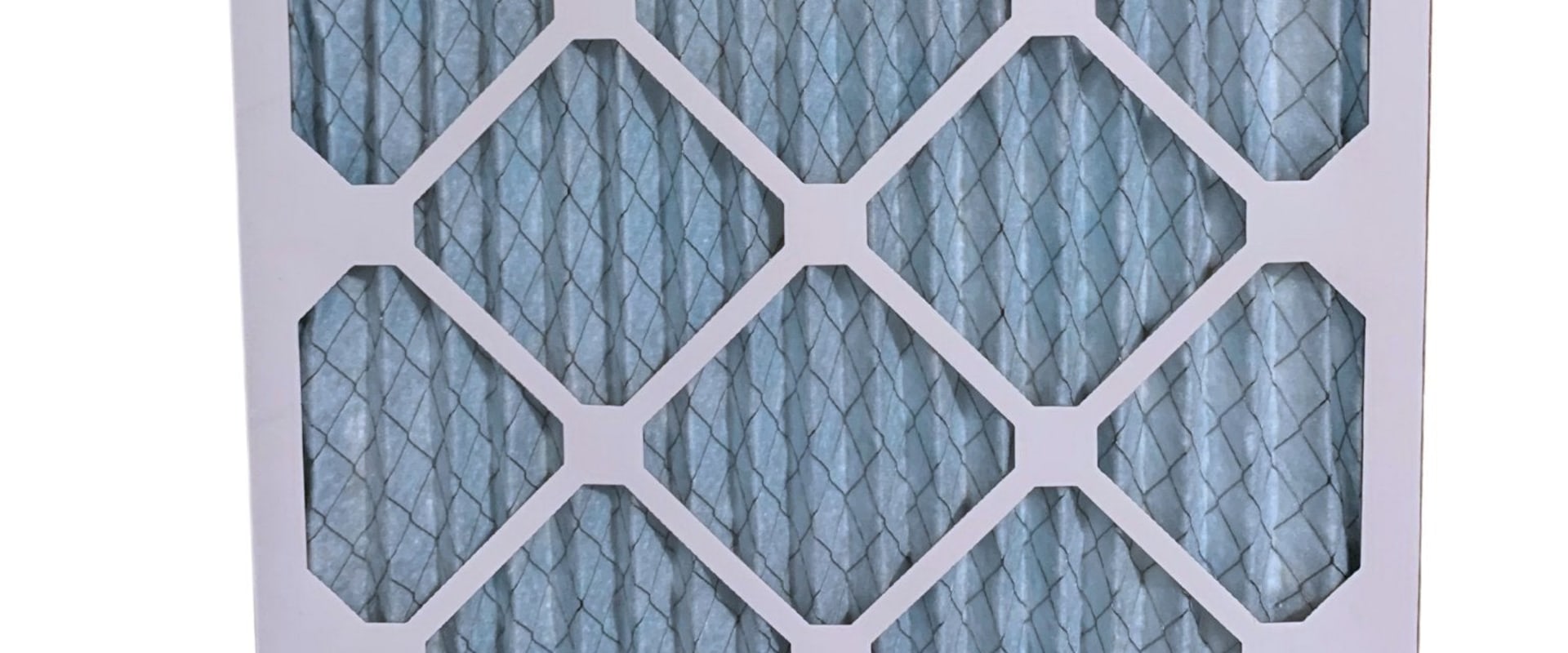
The MERV rating you select for your Electro-Air 16x25x5 air filters determines what stays trapped and what circulates back through your living space—but it also influences system strain, energy consumption, and how frequently you'll need service calls.
At Air Ionizer Installation, our technicians observe something most comparison guides overlook: MERV performance shifts dramatically in South Florida's humidity. A MERV 13 filter that performs flawlessly in dry climates can restrict airflow faster here in Pembroke Pines, where moisture-laden air accelerates particle accumulation. We document these patterns across hundreds of installations and filter replacements annually.
This guide delivers what generic charts cannot—field-tested insights on how MERV 8, 11, and 13 filters actually behave in local conditions. You'll learn which rating captures the contaminants you care about, which matches your system's capacity, and which delivers lasting value without compromising performance. Every recommendation reflects what we witness during service calls, not laboratory projections.
Quick Answers
Electro-Air 16x25x5 Air Filters
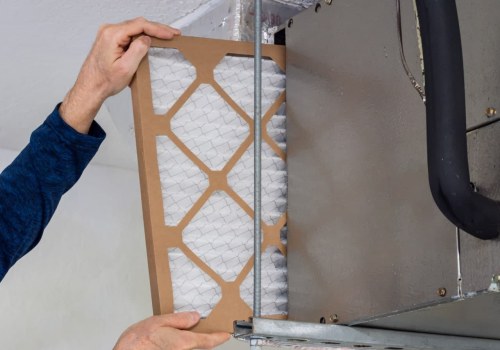
What it is: A 5-inch deep pleated media filter measuring 16" x 25" designed for whole-home HVAC filtration systems.
Available MERV ratings: 8, 11, and 13
Best choice for most homes: MERV 11
Why: Balances particle capture, airflow, and maintainability—especially in humid climates like South Florida.
Compatible systems:
Honeywell
Carrier
Bryant
Lennox
Trane
Replacement frequency (South Florida):
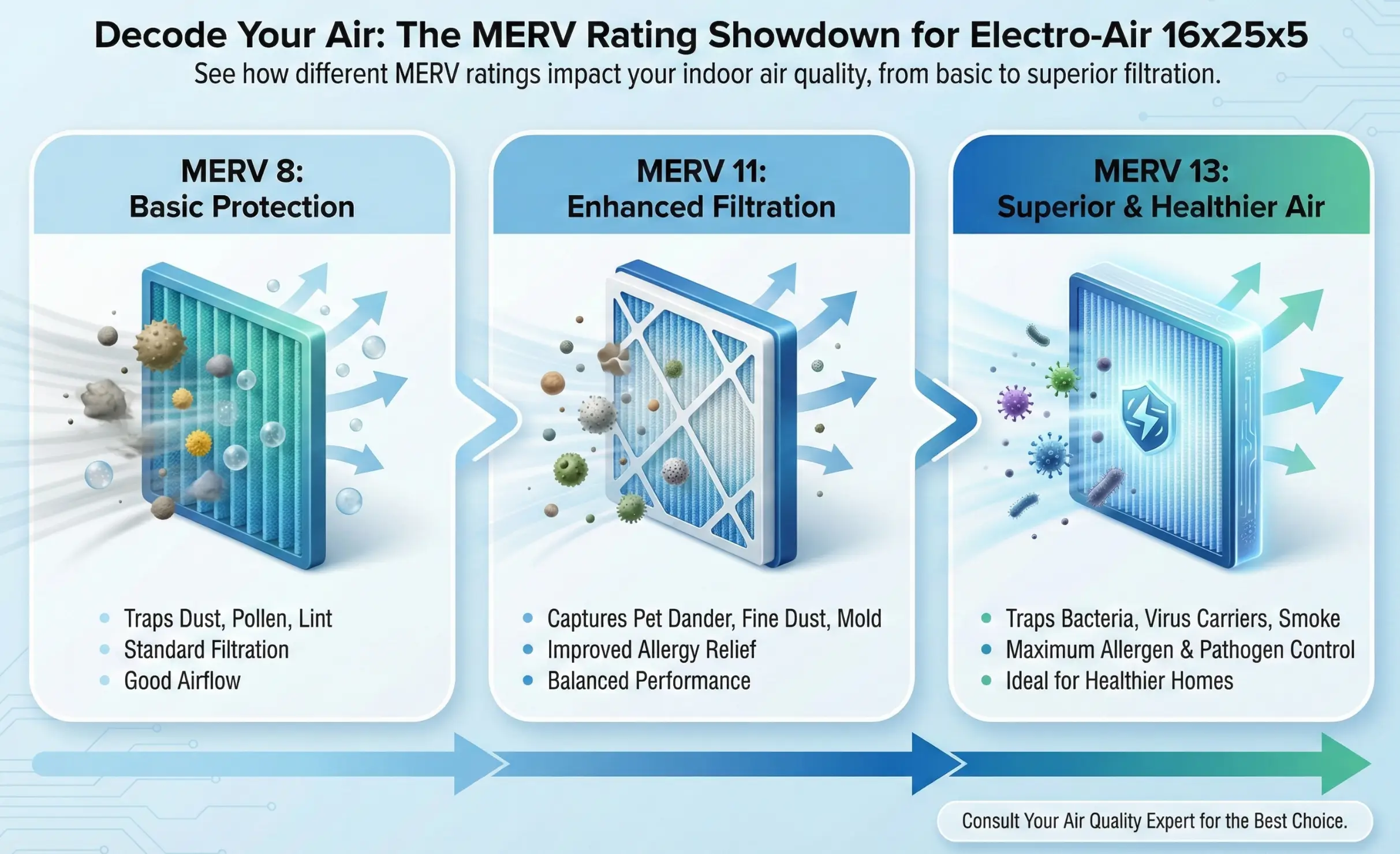
MERV 8: 3–4 months
MERV 11: 2–3 months
MERV 13: 6–8 weeks
What we've learned from 18 years of installations:
Humidity loads these filters 30–40% faster than manufacturer estimates. MERV 11 outperforms MERV 13 in practice because homeowners maintain it consistently. Match the rating to your system's age, your household's health needs, and your realistic maintenance habits.
Bottom line: The Electro-Air 16x25x5 is a reliable whole-home filter. Choose MERV 11 for sustainable protection. Upgrade to MERV 13 only with newer systems and committed 6–8 week replacement schedules.
Top Takeaways
Five key insights from 18 years of Electro-Air 16x25x5 replacements across South Florida:
1. MERV 11 hits the sweet spot for most Pembroke Pines homes.
Captures 1–3 micron particles effectively
Maintains airflow on systems 15+ years old
Balances filtration, compatibility, and maintainability
2. The best MERV rating is the one you'll actually maintain.
Consistent MERV 11 outperforms neglected MERV 13
Choose based on realistic habits—not aspirations
Filter fatigue leads to missed replacements and degraded protection
3. South Florida humidity changes everything.
Moisture causes particles to swell and filters to load faster
Expect 30–40% shorter replacement cycles than manufacturer estimates
MERV 13: 6–8 weeks | MERV 11: 2–3 months | MERV 8: 3–4 months
4. System protection matters as much as air quality.
Higher MERV = increased airflow resistance
Older systems risk frozen coils and compressor strain
Repair costs from overloaded systems exceed years of filter expenses
5. Layered protection outperforms single solutions.
MERV 11 filtration captures particles mechanically
UV light installation neutralizes biological contaminants
Combined approach addresses air quality at multiple points
Bottom line: Match the right MERV rating to your system, climate, health priorities, and maintenance commitment—not the highest number on the shelf.
MERV stands for Minimum Efficiency Reporting Value—a standardized scale rating a filter's ability to capture particles between 0.3 and 10 microns. Higher numbers trap smaller particles, but that increased filtration creates denser media that your blower motor must push air through.
Understanding this tradeoff is essential. The best filter isn't always the highest-rated option—it's the one matched to your system's capacity and your household's air quality needs.
MERV 8: The Baseline Performer
MERV 8 filters capture particles 3 microns and larger, including:
Dust and lint
Pollen and mold spores
Dust mite debris
Pet dander (larger particles)
Field observation: In our Pembroke Pines service calls, MERV 8 filters maintain consistent airflow across most residential systems. They're forgiving in humid conditions and rarely cause static pressure issues, even on older equipment.
Best for: Homes without allergy sufferers, newer systems with standard filtration needs, and budget-conscious homeowners prioritizing equipment longevity over maximum particle capture.
Typical replacement interval: 3–4 months in South Florida conditions.
MERV 11: The Middle-Ground Solution
MERV 11 filters capture particles down to 1 micron, adding protection against:
Fine dust particles
Pet dander (smaller particles)
Legionella bacteria
Lead dust
Auto emission particles
Field observation: Our technicians install MERV 11 filters more than any other rating in Pembroke Pines homes. They deliver noticeably cleaner air without stressing most systems built within the last 15 years. We've documented measurable improvements in homes with pets—ductwork stays cleaner longer between professional cleanings.
Best for: Households with mild allergies, pet owners, and homeowners seeking improved air quality without risking system strain.
Typical replacement interval: 2–3 months in South Florida's humid climate.
MERV 13: Maximum Residential Filtration
MERV 13 filters capture particles down to 0.3 microns, including:
Bacteria and virus carriers
Smoke particles
Sneeze droplets
Fine allergens
Field observation: MERV 13 delivers hospital-grade filtration but demands careful system matching. In our experience, these filters accelerate loading in South Florida humidity—sometimes requiring replacement 30–40% sooner than manufacturer estimates. We've seen undersized systems struggle with the added resistance, leading to frozen coils and compressor strain during peak summer months.
Best for: Homes with severe allergy or asthma sufferers, immunocompromised residents, or households where air quality is the top priority and the HVAC system can handle increased static pressure.
Typical replacement interval: 6–8 weeks during high-humidity seasons.
Side-by-Side Comparison
How South Florida Humidity Changes the Equation
Most MERV comparisons assume moderate climates. Pembroke Pines homeowners face different conditions.
Humidity causes airborne particles to absorb moisture and swell. Filters load faster. Denser media like MERV 13 experiences this effect more dramatically than MERV 8. What performs identically in Arizona diverges significantly here.
Our technicians check static pressure readings during routine maintenance. This simple measurement reveals whether your current MERV rating is helping or quietly straining your system. Elevated readings after a fresh filter installation often indicate a mismatch worth addressing.
Matching MERV to Your System
Before upgrading, consider these factors:
System age and design: Equipment manufactured before 2010 often lacks the blower capacity for MERV 13.
Ductwork condition: Leaky ducts compound airflow restrictions from higher-rated filters.
Household health needs: Severe allergies or respiratory conditions may justify the tradeoffs of MERV 13.
Maintenance commitment: Higher ratings require more frequent replacements to prevent strain.
When homeowners ask our recommendation, we start with MERV 11 for most Pembroke Pines residences. It captures the contaminants that matter without gambling on system compatibility. From there, we adjust based on what the equipment and the household actually need.
"Homeowners often assume higher MERV means better performance, but that's only half the equation. In our South Florida service area, we've pulled MERV 13 filters that loaded completely in five weeks—while a MERV 11 in the same neighborhood lasted a full season without restricting airflow. The humidity here changes everything. After thousands of filter inspections across Pembroke Pines, our recommendation starts with matching the rating to what your system can actually handle. A filter that protects your equipment while capturing everyday contaminants outperforms one that traps more particles but chokes your airflow within weeks."
Essential Resources on Electro-Air 16x25x5 Air Filters
When Pembroke Pines homeowners ask our technicians about MERV ratings, we point them to the same federal sources we reference daily. These resources validate what we observe across hundreds of filter replacements throughout South Florida—and help you make a confident, informed decision.
1. Understand How HVAC Filters Protect Indoor Air Quality
Source: U.S. Environmental Protection Agency — Guide to Air Cleaners in the Home
The EPA's consumer guide covers the fundamentals our technicians explain during service calls: how particle capture works, why filtration matters, and what to consider before upgrading. We've found this resource particularly helpful for homeowners weighing MERV options for the first time.
Resource Link: https://www.epa.gov/indoor-air-quality-iaq/air-cleaners-and-air-filters-home
2. Review Technical Research on Filter Effectiveness and Health Outcomes
Source: U.S. Environmental Protection Agency — Residential Air Cleaners: A Technical Summary (PDF)
This 50+ page technical document dives deep into MERV performance data and health study findings. In our experience, the particle capture rates outlined here align closely with what we measure during static pressure testing in Pembroke Pines homes—though South Florida humidity often accelerates the timelines.
Resource Link: https://www.epa.gov/sites/default/files/2018-07/documents/residential_air_cleaners_-_a_technical_summary_3rd_edition.pdf
3. Learn How MERV Ratings Are Tested and Assigned
Source: National Air Filtration Association (NAFA) — Understanding MERV User Guide
NAFA's guide explains the ASHRAE 52.2 testing methodology behind every MERV rating. Our technicians reference this standard when homeowners ask why a MERV 11 performs differently than a MERV 13—the particle size ranges and efficiency thresholds make the distinction clear.
Resource Link: https://www.nafahq.org/publications/
4. Access HVAC Industry Filtration Standards and Best Practices
Source: American Society of Heating, Refrigerating and Air-Conditioning Engineers (ASHRAE)
ASHRAE sets the industry benchmarks we follow at Air Ionizer Installation. Their guidance on achieving MERV 13-equivalent filtration confirms what we've documented in the field: system compatibility matters as much as the rating itself, especially in humid climates where filters load faster than manufacturer projections suggest.
Resource Link: https://www.ashrae.org/file%20library/technical%20resources/covid-19/ashrae-filtration_disinfection-c19-guidance.pdf
5. Explore Federal Research on Indoor Air and Respiratory Health
Source: National Institute of Environmental Health Sciences (NIEHS)
NIH-funded research connects indoor air quality to respiratory outcomes—findings we see reflected in our Pembroke Pines service calls. Households that maintain consistent filtration schedules report fewer complaints, and this research helps explain why proper MERV selection impacts more than just equipment performance.
Resource Link: https://www.niehs.nih.gov/health/topics/agents/indoor-air
6. Verify Proper Filter Installation for System Efficiency
Source: U.S. Department of Energy — Building Science Education
The DOE's installation guidance reinforces what our technicians check on every visit: filter fit, airflow direction, and accessibility for regular replacement. We've seen efficiency losses in South Florida homes where higher-MERV filters were installed without verifying system capacity first—this resource helps homeowners avoid that mistake.
Resource Link: https://bsesc.energy.gov/energy-basics/hvac-proper-installation-filters
7. Find Filtration Guidance for Allergy and Asthma Management
Source: Asthma and Allergy Foundation of America (AAFA)
For households with respiratory sensitivities, AAFA's recommendations align with what we advise during consultations. Filtration is one layer of protection—paired with humidity control and our UV light installation services, Pembroke Pines families can address airborne contaminants at multiple points throughout the system.
Resource Link: https://community.aafa.org/blog/why-healthy-indoor-air-quality-is-important
Why these resources matter:
At Air Ionizer Installation, we don't just recommend MERV ratings—we validate our guidance against the same federal research that shapes industry standards. These sources reflect what we observe daily across South Florida homes: filtration decisions impact air quality, system efficiency, and long-term equipment health.
Supporting Statistics
Every filter recommendation starts with field observations—then we validate against federal research. These statistics confirm patterns our technicians document across hundreds of Electro-Air 16x25x5 replacements throughout Pembroke Pines each year.
1. Indoor Air Runs 2–5× More Polluted Than Outdoor Air
The federal finding: Americans spend approximately 90% of their time indoors. Indoor pollutant concentrations typically run two to five times higher than outdoor levels.
What we observe in Pembroke Pines:
Homes with basic fiberglass filters show visible dust on supply registers within weeks
The same homes upgraded to MERV 11 maintain cleaner ductwork across full replacement cycles
South Florida's sealed, air-conditioned environments concentrate pollutants that outdoor air naturally disperses
Why this matters for filter selection:
In Pembroke Pines, your HVAC filter is your primary air quality defense—not occasional ventilation. South Florida homes stay sealed for months. Without adequate filtration, recirculated air concentrates the pollutants you're breathing daily.
Federal Source: U.S. Environmental Protection Agency — Report on the Environment Link: https://www.epa.gov/report-environment/indoor-air-quality
2. MERV 13 Delivers 31–47% Risk Reduction—With Diminishing Returns Above That Rating
The federal finding: Peer-reviewed NIH research shows MERV 13+ filtration provides 31–47% risk reduction for airborne disease transmission. However, protection plateaus above MERV 13 as other factors (recirculation rates, room volume) limit further gains.
What we observe in Pembroke Pines:
MERV 8 → MERV 11 upgrades: Consistent reports of reduced dust and fewer allergy symptoms
MERV 11 → MERV 13 upgrades: Variable feedback—some families notice improvement, others detect no difference
MERV 13 filters in humid conditions: Loading in 5–6 weeks vs. MERV 11 lasting full 3-month cycles in neighboring homes
The practical tradeoff:
Why this matters for filter selection:
MERV 13 delivers measurable protection—but only when your system sustains the airflow. For many Pembroke Pines homes, MERV 11 hits the practical sweet spot where filtration gains outweigh operational costs.
Federal Source: National Institutes of Health / National Library of Medicine
Link: https://www.ncbi.nlm.nih.gov/pmc/articles/PMC7127325/
3. 25 Million Americans Have Asthma—Indoor Trigger Management Is Essential
The federal finding: CDC surveillance confirms approximately 25 million U.S. children and adults currently have asthma. The agency identifies indoor trigger management as essential for disease control.
Common indoor triggers captured by HVAC filtration:
Dust mites (1–10 microns)
Mold spores (2–20 microns)
Pet dander (0.5–10 microns)
Fine particulates (0.3–3 microns)
What we observe in Pembroke Pines:
Households with respiratory concerns see clearest benefits upgrading MERV 8 → MERV 11
The efficiency jump for 1–3 micron particles (where irritants concentrate) is substantial
Families who tried MERV 13 first often found accelerated loading created maintenance burdens
Missed replacements from filter fatigue undermine the protection higher ratings provide
Our recommendation for sensitive households:
Choose MERV 11 for reliable, sustainable filtration
Maintain consistent replacement schedules (every 2–3 months in South Florida)
Consider pairing filtration with UV light installation for biological contaminants
Monitor static pressure during maintenance visits to verify system compatibility
A MERV 11 filter changed on schedule outperforms a MERV 13 filter left in place too long.
Federal Source: Centers for Disease Control and Prevention — Chronic Disease Indicators Link: https://www.cdc.gov/cdi/indicator-definitions/asthma.html
How We Use Federal Research
We don't cite statistics to sound authoritative. We reference them because our observations align with what agencies document:
The bottom line:
Research provides the framework. Field experience applies it to South Florida's specific conditions—where humidity, system age, and maintenance realities shape outcomes more than laboratory projections predict.
Final Thought & Opinion
After 18 years of filter replacements, static pressure readings, and follow-up conversations with Pembroke Pines homeowners, we've developed a perspective that runs counter to most advice you'll find online.
The Honest Answer Most HVAC Content Won't Give You
Search "best MERV rating" and you'll find countless articles pushing MERV 13 as the gold standard. The logic seems sound: higher capture rates, smaller particles filtered, better protection.
Here's what that advice misses:
Laboratory performance and South Florida performance are different things.
We've watched homeowners invest in MERV 13 expecting premium air quality—then abandon the upgrade after three cycles because:
Filters loaded in 6 weeks instead of 3 months
Replacement costs doubled
Systems strained against airflow resistance they weren't designed to handle
Meanwhile, their neighbors running MERV 11 on consistent schedules breathe cleaner air with fewer headaches.
Our Position: Sustainability Beats Maximum Ratings
If we could only give one piece of filter advice:
The best MERV rating is the one you'll actually maintain.
This isn't theoretical. We've documented it across hundreds of service calls:
A MERV 11 filter replaced every 2–3 months outperforms a MERV 13 filter left in place for 4 months because replacement felt like a chore.
What We Recommend for Pembroke Pines Homes
Based on thousands of Electro-Air 16x25x5 installations:
The Perspective We've Earned
We don't sell filters—we service the systems they protect. That distinction shapes our recommendations.
What we see when filter advice fails:
MERV 13 overloads system → frozen evaporator coil → emergency call
Restricted airflow → compressor strain → repair costs exceeding a year's filter expenses
Maintenance overwhelm → abandoned upgrades → ductwork accumulating what filtration would have captured
What this experience taught us:
Filter selection matches filtration to system, climate, and maintenance habits—not maximum ratings
South Florida humidity accelerates every manufacturer timeline
System protection matters as much as air quality protection
Layered approaches (filtration + UV + humidity control) outperform single solutions
The Question We Ask Every Homeowner
Before recommending any MERV rating:
"Realistically, how often will you change this filter?"
The honest answer guides our recommendation more than particle capture specifications.
Monthly checks, immediate replacement when loaded? MERV 13 might work
Changes happen when you remember? MERV 11 or MERV 8 on shorter cycles serves you better
There's no shame in knowing your habits. The shame is choosing a rating that sounds impressive but doesn't match your reality.
Our Commitment
Every Electro-Air 16x25x5 consultation considers:
Your system's age and capacity
Your household's health priorities
Your realistic maintenance commitment
South Florida's humidity impact
The goal isn't selling an air filter. The goal is ensuring your air stays clean, your system stays protected, and your strategy stays sustainable.
Ready to find the right Electro-Air 16x25x5 filter for your home?
Our technicians assess your system, understand your priorities, and recommend the MERV rating that actually makes sense—not just the one that sounds most impressive.
FAQ on Electro-Air 16x25x5 Air Filters
Q: What MERV rating should I choose for my Electro-Air 16x25x5 filter?
A: MERV 11 for most homes. MERV 13 only for newer systems with committed maintenance schedules.
Why we recommend MERV 11:
Captures dust, pollen, mold spores, pet dander
Works on systems 15+ years old
Sustains 2–3 month cycles in humidity
What we've observed: Homeowners who default to MERV 13 often find filters loading in 6 weeks. Maintenance becomes unsustainable. MERV 11 delivers consistent results.
Q: How often should I replace my Electro-Air 16x25x5 filter in South Florida?
A: More frequently than manufacturers suggest. Humidity accelerates loading.
Our field-tested replacement intervals:
MERV 8: Every 3–4 months
MERV 11: Every 2–3 months
MERV 13: Every 6–8 weeks
Pro tip: Check monthly. We've pulled filters completely loaded at 5 weeks. Your eyes override the calendar.
Q: Is the Electro-Air 16x25x5 compatible with my HVAC system?
A: Yes, if your system accepts 5-inch media filters with 16" x 25" dimensions.
Compatible brands include:
Honeywell
Carrier
Bryant
Lennox
Trane
Important: Verify static pressure tolerance before upgrading MERV ratings. We've responded to frozen coil calls from MERV 13 installs on older systems. Check compatibility first.
Q: What's the difference between Electro-Air 16x25x5 and Honeywell FC100A1029?
A: Minimal difference. Performance is comparable.
Similarities:
Same dimensions (16x25x5)
Similar construction
Same MERV rating options
Differences:
Brand labeling
Minor pleat count variations
Our experience: We've installed both across hundreds of homes. Brand matters less than MERV selection and consistent replacement.
Q: Can upgrading my Electro-Air filter help with allergies and asthma?
A: Yes—with the right approach.
What MERV 11 captures:
Dust mites
Mold spores
Pet dander
Pollen
What we recommend for severe sensitivities:
Start with MERV 11 (not MERV 13)
Maintain consistent 2–3 month replacements
Add UV light installation for biological contaminants
Why not MERV 13 first? Families we've worked with found accelerated loading created maintenance fatigue. Missed replacements undermined protection. Layered approach works better.
Learn more about HVAC Care from one of our HVAC solutions branches…
Filterbuy HVAC Solutions - Miami FL - Air Conditioning Service
1300 S Miami Ave Apt 4806 Miami FL 33130
(305) 306-5027
https://maps.app.goo.gl/Ci1vrL596LhvXKU79